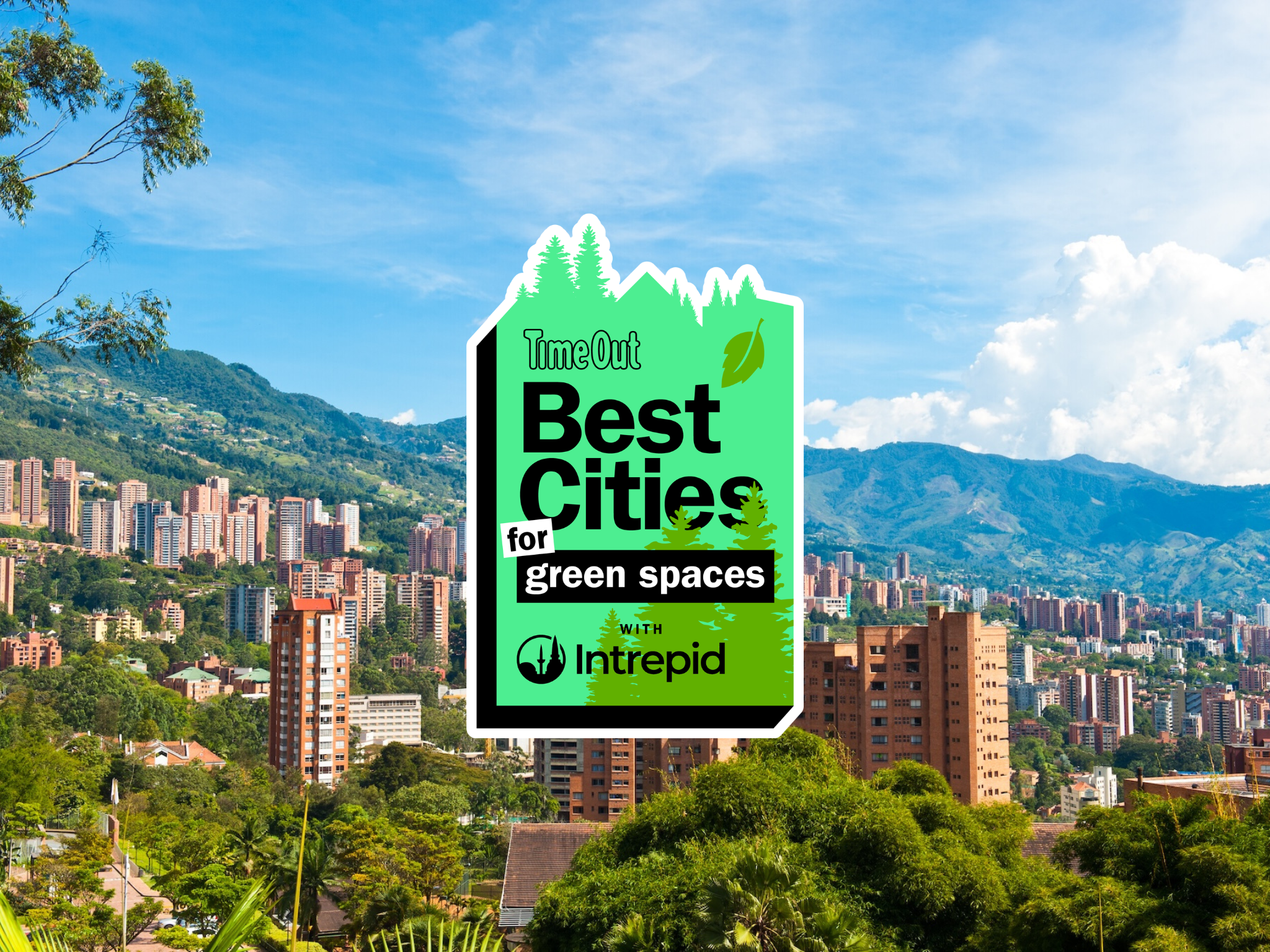
As urban areas continue to grow, the importance of green spaces and natural environments within cities becomes increasingly vital for residents' well-being and ecological sustainability. In 2026, several cities around the globe stand out for their exceptional commitment to maintaining and expanding parks, gardens, and natural landscapes, making them ideal destinations for nature lovers and urban dwellers alike.
Time Out's latest ranking highlights cities that excel in providing accessible, diverse, and well-maintained green spaces. These cities not only prioritize environmental sustainability but also foster community engagement through outdoor activities and conservation efforts. From sprawling parks to innovative urban gardens, the top cities for green space offer residents a chance to reconnect with nature amidst bustling urban settings.
Leading the list is Vienna, renowned for its extensive park system and commitment to ecological urban planning. The city boasts over 900 parks and green spaces, providing ample opportunities for recreation and relaxation. Vienna's dedication to sustainability is evident in its green initiatives, including urban forestry projects and eco-friendly transportation options.
Close behind is Vancouver, celebrated for its breathtaking natural scenery and innovative urban green projects. The city seamlessly integrates nature into its urban fabric, with numerous parks, waterfronts, and green rooftops that enhance residents' quality of life. Vancouver's focus on environmental conservation and outdoor activities makes it a top destination for nature enthusiasts.
Melbourne also ranks highly, offering a diverse array of parks, botanical gardens, and outdoor spaces. The city's urban planning emphasizes sustainability and community well-being, with initiatives aimed at increasing green cover and promoting eco-friendly transportation.
Other notable cities include Singapore, known for its 'City in a Garden' vision, featuring lush greenery throughout its urban landscape, and Copenhagen, which prioritizes bike-friendly infrastructure and green urban development. These cities exemplify how urban environments can harmoniously coexist with nature, providing residents with healthy, vibrant living spaces.
Overall, the 2026 rankings underscore the importance of green spaces in enhancing urban life. Cities investing in natural environments not only improve residents' mental and physical health but also contribute to global ecological efforts. As urbanization accelerates worldwide, these cities serve as models for sustainable and livable urban development, demonstrating that nature and city life can thrive side by side.